Excavating Services for Homebuilders: When DIY Is Not an Option
Building a home from the ground up is an exciting process that allows homeowners to design a space that fits their lifestyle and long-term goals. From selecting the layout and materials to planning landscaping and outdoor features, every stage of construction requires careful planning. However, one of the most critical phases of any homebuilding project happens before walls are framed or foundations are poured. Preparing the land correctly sets the stage for everything that follows.
Excavation plays a foundational role in residential construction because it prepares the property for structural stability, drainage management, and safe utility installation. While many homeowners enjoy tackling certain aspects of construction themselves, excavation is rarely a project suited for DIY work. Heavy equipment, engineering considerations, and local regulations make professional support essential for both safety and long-term performance. In this article, we will explore why excavation is such an important step in the homebuilding process and why professional excavating services are often the best choice.
Preparing the Building Site for Safe Construction
Before construction can begin, the building site must be prepared carefully to support the structure that will be built on it. Excavation typically begins with clearing the land of trees, rocks, debris, and uneven terrain. This stage creates a workable surface where builders can begin laying out the footprint of the future home.
Grading and leveling the site is also an important part of this preparation process. Uneven terrain can lead to structural problems if the ground beneath the foundation is not stable. Professional excavating services use specialized equipment to shape the land and compact the soil so the foundation can sit securely. This process reduces the risk of shifting soil, uneven settling, or drainage issues after construction is complete.
Site preparation also involves understanding the natural characteristics of the land. Soil composition, slope, and groundwater levels all influence how excavation should be performed. Contractors evaluate these conditions before work begins so they can determine the best approach for preparing the site safely and efficiently.
Creating a Stable Foundation for the Home
One of the primary goals of excavation is to create a stable foundation for the structure being built. The foundation supports the entire weight of the home, which means the ground beneath it must be properly prepared and reinforced. Any mistakes during this phase can lead to long-term structural problems that are expensive and difficult to repair.
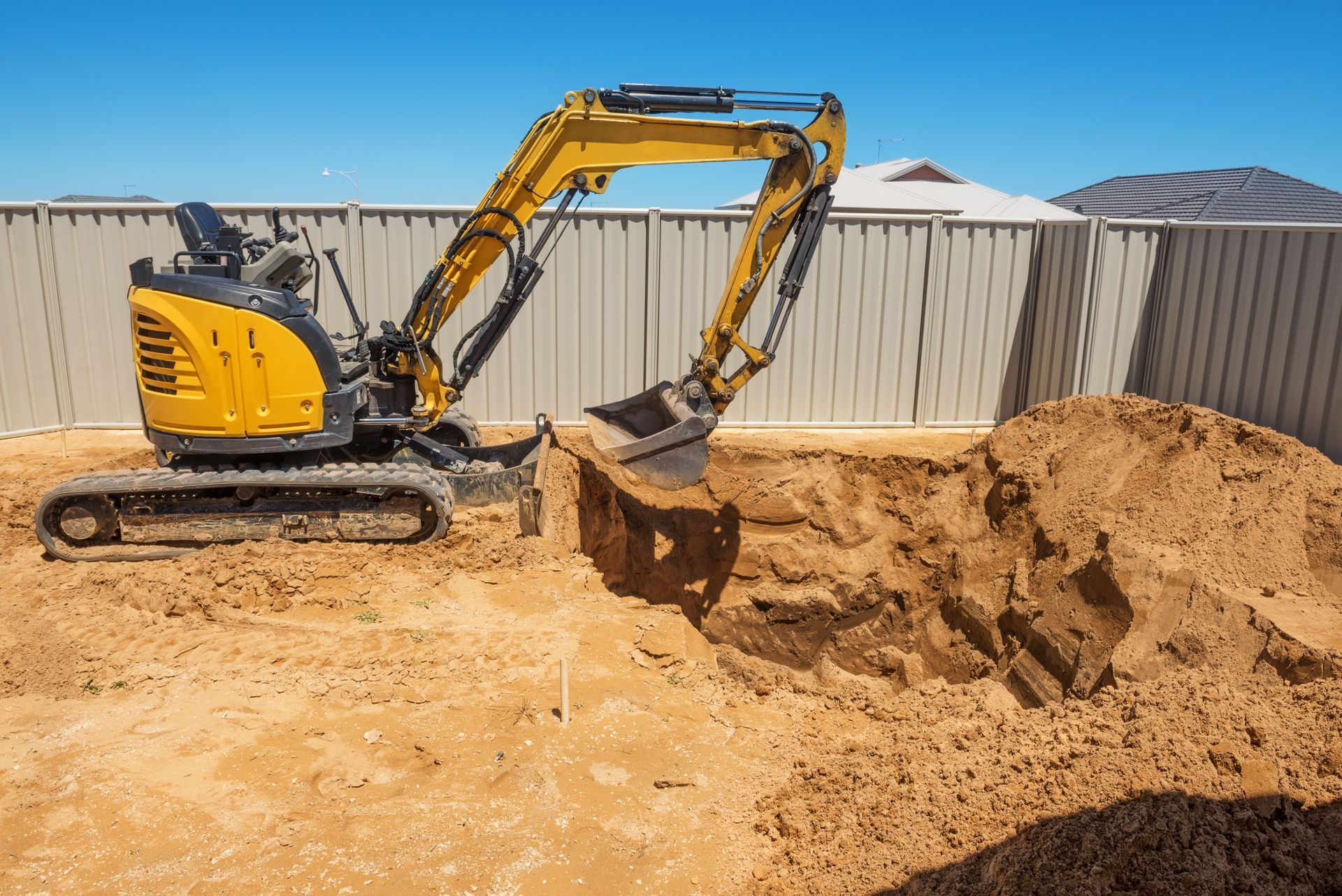
Excavation crews dig precise foundation trenches that match the architectural plans for the home. These trenches allow builders to install footings that distribute the weight of the structure evenly across the soil. If the trenches are not dug correctly or if the soil is not properly compacted, the foundation may settle unevenly over time.
Professional contractors use heavy machinery and surveying tools to confirm that the excavation depth and dimensions match the design specifications. This level of accuracy is difficult to achieve without specialized equipment and experience, which is why professional excavating services are a vital part of the homebuilding process.
Managing Drainage and Soil Conditions
Proper drainage is essential for protecting a home's foundation and preventing water damage. During excavation, contractors shape the land to direct water away from the structure. This grading process helps prevent pooling water, soil erosion, and moisture infiltration around the foundation.
Different soil types behave differently when exposed to moisture. Clay soil, for example, can expand when wet and shrink when dry, which can place pressure on a foundation. Sandy soil drains quickly but may require additional compaction to support structural loads. Excavation professionals evaluate these conditions before beginning work so they can adjust the grading and drainage design accordingly.
In some cases, excavation crews also install drainage systems such as French drains or gravel beds that help move water away from the building site. These systems play an important role in maintaining the long-term integrity of the home's structure.
Installing Underground Utilities Safely
Modern homes rely on a network of underground utilities that must be installed before construction progresses. Water lines, sewer connections, electrical conduits, and gas lines are typically placed beneath the surface of the property. Excavation creates the trenches needed to install these systems safely.
Utility installation requires careful coordination with local codes and safety regulations. Contractors must locate existing utility lines before digging and follow specific guidelines to prevent damage or hazards. Professional excavating services help reduce the risk of accidental utility strikes, which can lead to serious safety concerns and costly project delays.
Precise trenching is also necessary to ensure utility lines are installed at the correct depth and alignment. Once the utilities are placed, the trenches are carefully backfilled and compacted to maintain stability and prevent future ground movement.
Handling Heavy Equipment and Specialized Tools
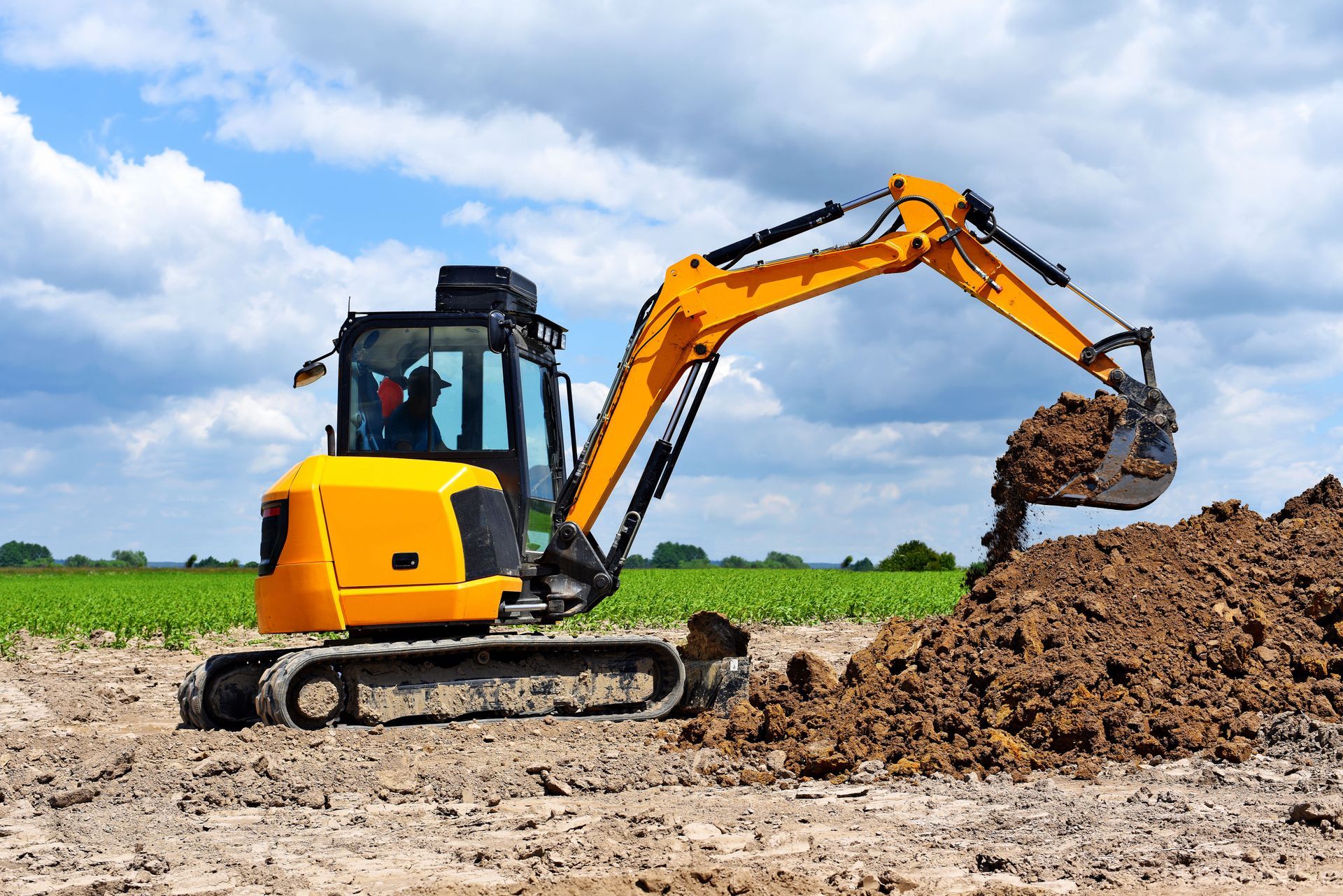
Excavation work involves machinery that requires training and experience to operate safely. Bulldozers, excavators, skid steers, and compactors are commonly used to move large volumes of soil and reshape the landscape. These machines allow crews to complete excavation tasks efficiently while maintaining the precision required for residential construction.
Operating heavy equipment without proper training can be dangerous. Excavation sites may contain unstable soil, steep slopes, or underground obstacles that require skilled operators to manage safely. Professional crews understand how to handle these challenges while maintaining productivity and minimizing risk.
Beyond safety considerations, professional equipment allows contractors to complete projects more efficiently than manual labor alone. Excavation that might take weeks with basic tools can often be completed in a matter of days using modern machinery.
Meeting Local Building Codes and Regulations
Residential construction projects must follow a range of local building codes and zoning regulations. Excavation work is no exception. Many municipalities require permits before excavation begins, especially when the work involves significant grading or utility installation.
Professional excavation contractors are familiar with these requirements and understand how to comply with local regulations. They can assist with permit applications, inspections, and documentation needed to keep the project moving forward.
Working with qualified contractors helps homeowners avoid potential setbacks caused by regulatory issues. Failing to meet code requirements can result in delays, fines, or costly corrections later in the construction process.
Supporting the Growing Demand for Custom Homes
Custom home construction continues to grow as more homeowners seek properties tailored to their specific preferences. According to Custom Builder, custom homes account for approximately 18% of total single-family starts. This trend highlights the increasing demand for specialized construction projects that require careful planning and site preparation.
Each custom home site presents unique challenges based on terrain, soil conditions, and design requirements. Excavation plays a critical role in adapting the land to match the homeowner's vision. From hillside grading to foundation trenching, these projects require a thoughtful approach to land preparation.
Because no two properties are exactly alike, professional excavation crews provide the flexibility and experience needed to address site-specific challenges. Their expertise allows builders to move forward confidently with construction while minimizing unexpected complications.
Excavation is one of the most important steps in the homebuilding process because it prepares the land for everything that follows. From clearing and grading the site to installing utilities and creating stable foundation trenches, this phase requires careful planning and technical expertise. Proper excavation helps support structural stability, manage water drainage, and maintain safe conditions throughout construction.
If you are planning a residential construction project, working with experienced excavation professionals can help you start the process on solid ground. Contact AF Quality Construction LLC today to learn how professional excavation support can help move your homebuilding project forward safely and efficiently.
Share On: