How Excavation Helps Prepare Land for New Driveways
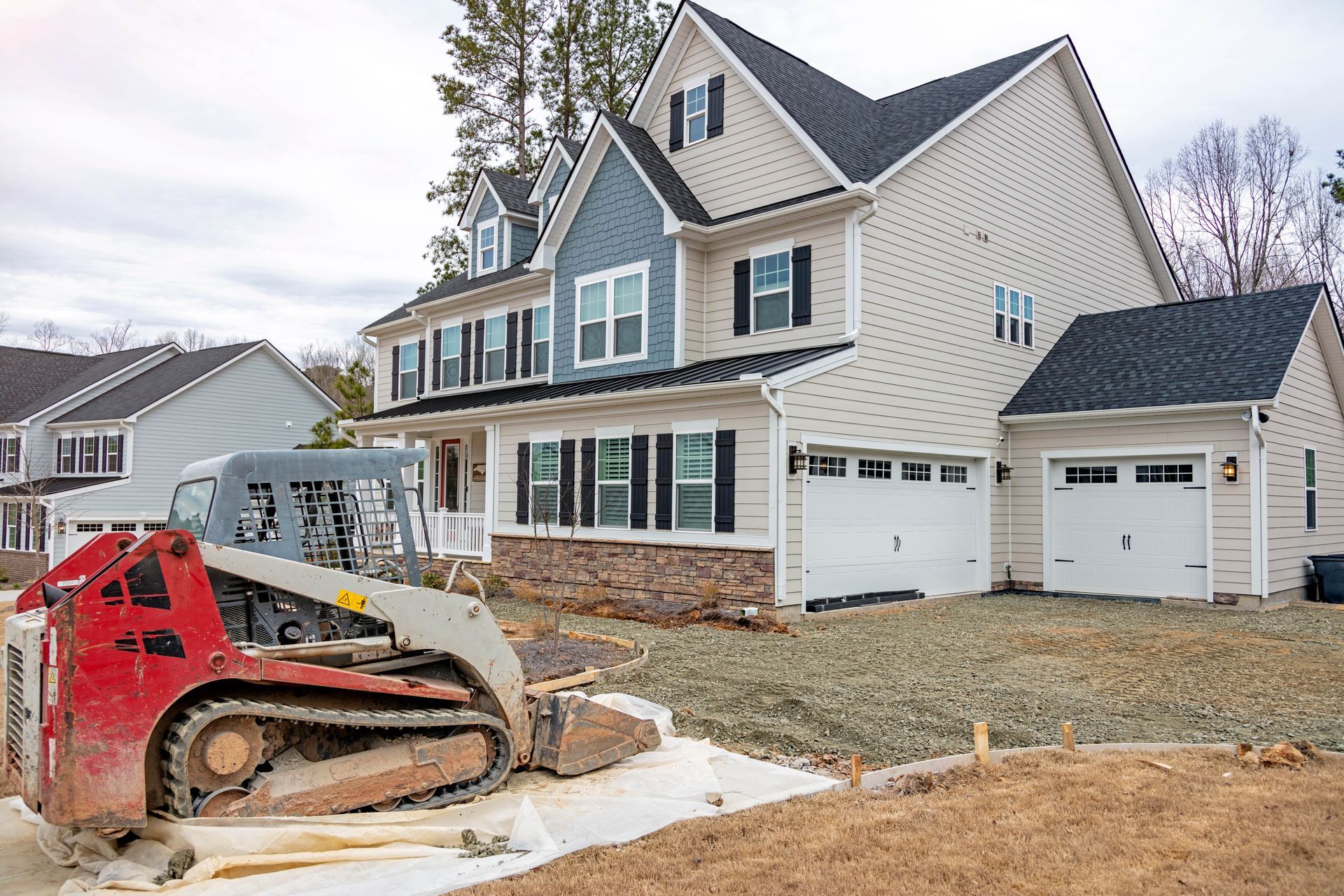
A new driveway needs more than a smooth surface. Its performance depends on what lies beneath the pavement, including soil stability, drainage, and the condition of the surrounding land. Proper excavation creates the foundation for a driveway that handles regular vehicle traffic and changing weather. Experienced excavating businesses evaluate the site before construction begins so problems are not simply covered by fresh material.
Homeowners may focus on the finished driveway's appearance, but preparation determines whether that appearance lasts. Slopes, buried obstacles, and unsuitable soil can influence the work required. Understanding the value of excavation helps property owners discuss realistic project expectations and recognize why careful site preparation matters.
Establishing Suitable Ground Conditions
Evaluating Existing Soil
Soil conditions vary considerably between properties. Some sites contain firm, well-draining material, while others have loose fill, clay, or areas that remain saturated. A professional evaluation helps determine whether existing ground can support the planned driveway. Ignoring these differences can contribute to settlement and surface movement after construction. This early assessment can help clarify project expectations before equipment and materials are scheduled.
Removing Unsuitable Material
Organic debris, soft soil, and buried construction remnants can interfere with a stable foundation. Excavation allows unsuitable material to be identified and addressed before the driveway layers are installed. The amount of removal depends on actual site conditions rather than a standard depth that works everywhere. Experienced excavating businesses can clarify the reasons for these choices. Site conditions can change over short distances, making property-specific evaluation especially important.
Preparing a Consistent Base
Uneven underlying conditions can create weak spots beneath pavement or gravel. Excavating businesses help establish a more consistent foundation so subsequent materials can be placed on suitable ground. This preparation supports a predictable finished surface and reduces the likelihood of isolated low areas developing later. Clear communication about these concerns helps homeowners understand the purpose of each preparation phase.
Accounting for Future Loads
A driveway used by passenger vehicles has different demands from one regularly carrying heavy trucks or equipment. Site preparation should reflect expected use and the chosen surface material. Discussing vehicle access early helps the project team consider the foundation requirements before construction progresses. These decisions affect how the finished driveway connects with the rest of the property.
Managing Water Around the Driveway
Recognizing Natural Drainage
Water follows the contours of a property, and excavation can change those paths. A careful assessment considers where runoff currently travels and where it could collect after the driveway is built. Proper planning helps limit puddling and protects nearby landscaped areas from unnecessary disturbance.
Reducing Standing Water
Low spots can hold water against the driveway surface or along its edges. During preparation, professionals evaluate grading conditions that could contribute to persistent pooling. Excavating businesses can coordinate site work with the intended drainage design, helping avoid problems that surface finishes alone cannot correct.
Protecting Adjacent Structures
Driveways often connect to garages, walkways, and foundations. Changes in ground elevation should not direct runoff toward buildings or create new moisture concerns. Evaluating these connections during excavation helps protect existing improvements while supporting a usable transition between the driveway and surrounding property.
Considering Seasonal Weather
Heavy rain, freeze-thaw cycles, and prolonged wet periods can affect driveway performance. Local climate influences drainage needs and the behavior of underlying soils. Preparation should account for these conditions rather than relying solely on how the ground looks during a dry inspection.
Creating Accurate Driveway Dimensions
Confirming the Intended Route
The driveway route affects how vehicles enter, turn, and park. Site preparation begins with understanding the desired layout and existing property limitations. Excavation helps establish the planned footprint while accounting for obstacles, grade changes, and the relationship to public access points. Qualified excavating businesses can explain how these conditions affect the project.
Allowing Practical Vehicle Access
A driveway must function comfortably for the vehicles using it. Sharp transitions, narrow sections, or unexpected changes in slope can make access inconvenient. Experienced excavating businesses consider the proposed layout alongside the land conditions, allowing the finished project to serve everyday needs.
Coordinating Surface Elevations
The finished driveway should connect sensibly with garage thresholds, sidewalks, and nearby paths. Excavation establishes the space needed for foundation and surface layers without creating awkward height differences. This coordination is particularly important when replacing an older driveway or changing the surface material.
Respecting Property Constraints
Trees, fences, drainage features, and property boundaries can limit the available work area. A thorough assessment identifies these constraints before equipment arrives. Homeowners also benefit from understanding whether permits, access approvals, or additional professional evaluations may be needed for the planned design.
Supporting Reliable Surface Installation
Accommodating Base Materials
Concrete, asphalt, and gravel driveways each rely on appropriate underlying preparation. Excavation creates room for the specified base and surface layers. The correct arrangement depends on engineering requirements, soil conditions, and intended use rather than appearance alone.
Reducing Uneven Settlement
Settlement can produce depressions, cracking, and drainage problems after installation. No preparation can eliminate every future ground movement, but addressing weak or inconsistent conditions can reduce avoidable risks. Excavating businesses play an important role before paving crews begin their portion of the project.
Coordinating Construction Phases
Excavation is one part of a larger driveway project that may involve grading, drainage work, base placement, and surfacing. Clear coordination helps prevent completed areas from being disturbed unnecessarily. Property owners should understand which contractor is responsible for each phase and how the work will be sequenced.
Checking Site Readiness
A prepared site should meet the requirements of the next construction phase. Professionals may review elevations, exposed ground conditions, and the intended foundation before additional materials are placed. This review helps identify concerns while corrections remain more practical than they would be beneath finished pavement.
Protecting the Surrounding Property
Limiting Landscape Disturbance
Driveway work may occur close to lawns, gardens, and established trees. Planning equipment access and excavation limits can reduce unnecessary disruption. Excavating businesses should discuss which landscape features matter most to homeowners and where temporary impacts may be unavoidable.
Recognizing Underground Utilities
Buried utility lines can be present even where no visible equipment appears above ground. Appropriate locating and coordination are essential before excavation begins. Utility ownership and marking responsibilities vary, so professional planning should account for required notifications and safe work practices.
Managing Removed Material
Excavation can produce substantial quantities of soil, rock, and other material. The project scope should explain whether these materials will be reused, relocated, or hauled away. Clarifying these arrangements helps homeowners understand site changes and avoids confusion about the final condition of nearby areas.
Planning for Long-Term Use
A driveway should support daily access without creating recurring drainage or maintenance concerns. Careful excavation cannot guarantee permanent performance, but it establishes better conditions for subsequent construction. Evaluating the whole property helps the finished improvement fit naturally into its surroundings.
According to IBISWorld, the United States had 236,987 excavation contractor businesses in 2024, representing a 0.1% decrease from 2023. That industry scale reflects the varied site-preparation needs involved in construction projects, including residential driveways. Selecting professionals who understand local ground conditions and project coordination can help homeowners approach the work with clearer expectations.
Excavation influences drainage, foundation stability, access, and the appearance of a completed driveway. When those factors are addressed before surfacing begins, the project has a stronger starting point. Contact AF Quality Construction LLC to discuss your property and learn how our experience with driveway excavation can support thoughtful driveway preparation.


Share On: